Stripe
Financial infrastructure to grow your revenue
www.stripe.com ↗Interface Screenshots Stripe









Which UI decisions are documented for Stripe?
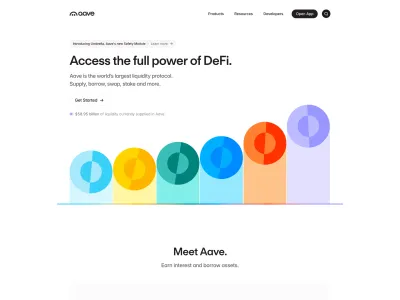
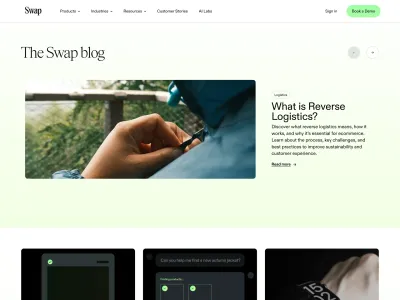
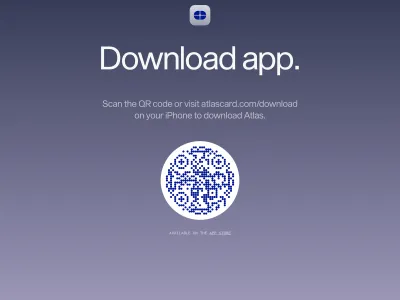
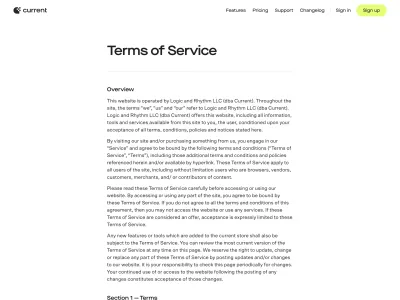
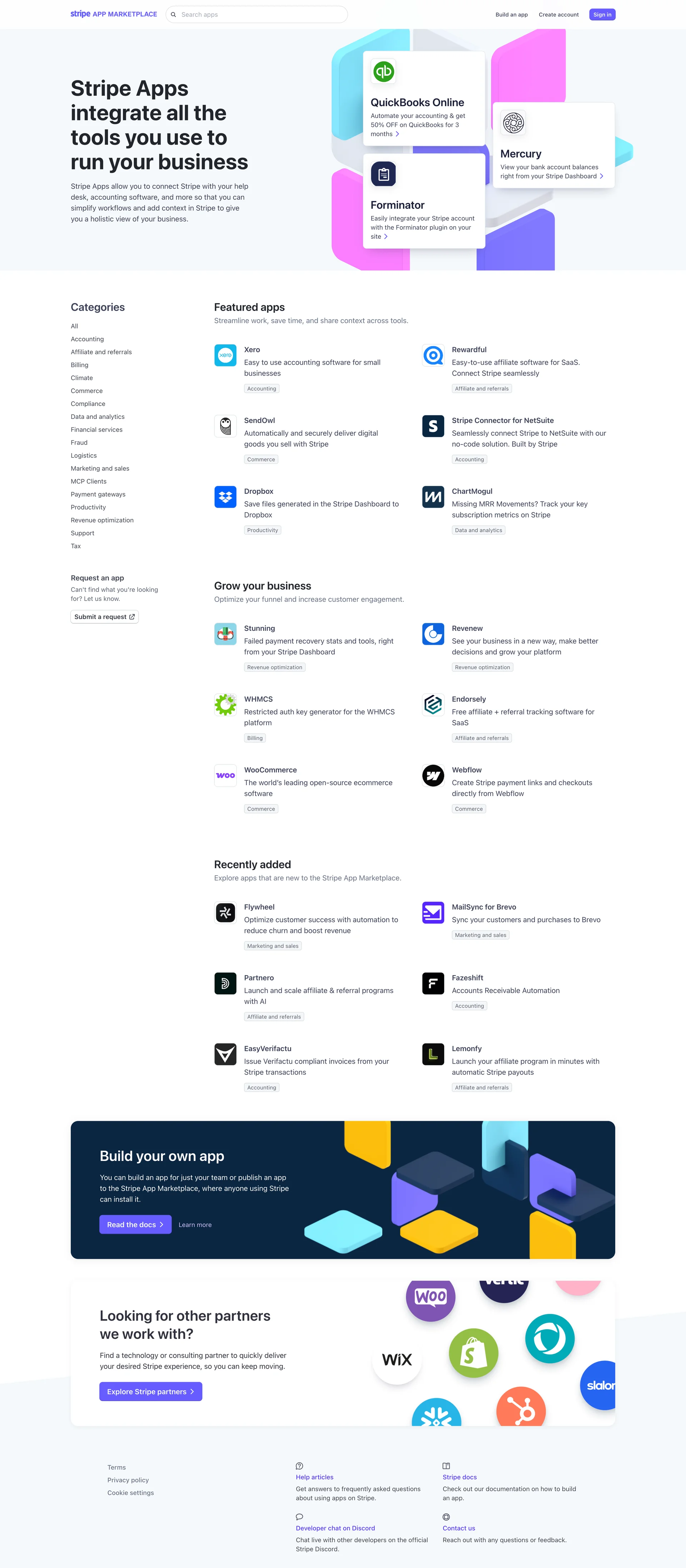
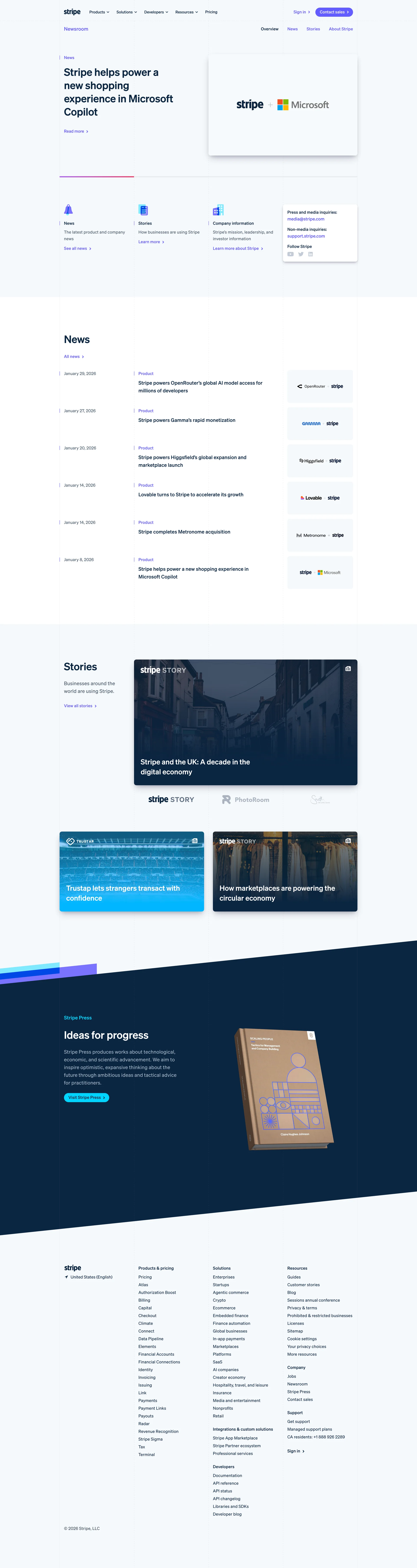
DesignShots contains 12 interface screenshots for Stripe. It is a website in the Fintech category, which covers financial technology: banking, payments, investments. Frame-level labels identify 14 distinct screen types; documented elements include CTA Section, Downloads, Features, Footer Section and Hero Section. At composition level, the project is tagged with 6 UI patterns: Product landing page, Control panel with metrics and charts, Pricing plans and subscriptions, Settings and configuration page and Data input forms, validation and submission. Its extracted palette is led by light tones, with the HEX values displayed on the page. For analysis, compare repeated screen types within Stripe, then open the linked patterns and other Fintech products. This separates a durable interface pattern from a treatment unique to one product. Every figure comes from the published collection; captures filed under older versions are excluded from the current count.
More about StripeHide
Interface Design Stripe
Stripe — a Website in the Fintech. Financial technology: banking, payments, investments. Financial infrastructure to grow your revenue. The interface includes 6 UI patterns: Product landing page, Control panel with metrics and charts, Pricing plans and subscriptions, Settings and configuration page, Data input forms, validation and submission, Data tables with sorting. The color palette is built on light tones.
UI Patterns in Stripe
What the Stripe screens show
The set covers 14 distinct screen types, showing which parts of the product are documented.
FAQ
How many screenshots of Stripe are in the collection?
The collection contains 12 UI screenshots of Stripe, covering key product screens.
What category does Stripe belong to?
Stripe is a Website in the Fintech category.
How to use screenshots as design reference?
Study UI/UX design solutions for inspiration when designing Fintech products.
The screenshots come from the real product and document the interface as it appeared when captured.